

After several years of uncertainty, the San Francisco metro area multifamily housing market is showing clear signs of recovery. The first half of 2025 brought the largest expansion in multifamily demand in years. The 12-month trailing absorption surged to 3,700 units as of the third quarter, one of the highest levels in a decade. Vacancy rates have dropped to 5.1 percent, the lowest since 2014, and apartment rents are up 5.6 percent, placing San Francisco among the top metros in the nation for rent growth.
Although sale prices had remained relatively flat over the past several years, with lower prices per foot and per unit and higher cap rates, the data confirms what many of us in the industry have sensed: the rental market is strengthening.
Vacancy rates are falling, rents are rising, and investors are once again considering acquisitions with renewed confidence. As it takes time for the market to react, we are already seeing slight downward pressure on cap rates and some upward pressure on values.
These conditions are offering investors better returns, creating a window of opportunity for buyers who were previously hesitant. Properties that were once considered overpriced are now being re-evaluated in light of stronger rental performance and stabilized conditions.
Renters’ Wants and Desires
The ongoing recovery is nuanced and driven by real demand. Much of this demand is coming from a younger, high-income tenant base, many of whom are employed in the growing AI sector. With a vast majority of AI-related roles now requiring in-office attendance, the era of distance-working is receding. As three-day office mandates become the standard, we are seeing a resurgence in demand for urban and suburban rental properties as the workforce seeks proximity to these essential tech centers.
These renters are discerning and know what they want. In San Francisco, we see two distinct categories of luxury properties: the older, traditional trophy buildings in neighborhoods like Pacific Heights, Presidio Heights, Cow Hollow, Russian Hill and the Marina; and the modern luxury developments along Market Street and in areas like South of Market, Dogpatch, Mision Bay and beyond.
Today’s renters are seeking a wide array of amenities. Views, whether of the water or the city, remain highly desirable. In-building parking, while slightly less critical than in years past, is still important. Large open floor plans, home office setups, high-end finishes and appliances, washers and dryers in units, dishwashers and high-speed internet access are all expected. Spacious bedrooms, ample closet space and outdoor areas such as decks, roof gardens or courtyards add to the appeal.
Additional amenities that attract tenants include doormen, valet parking, gyms, laundry lockers for dry cleaning, striking building facades and lobbies, elevators and well-maintained common areas. Buildings must present a clean, well-kept appearance and have reliable systems. Pet-friendliness, especially for dogs and cats, is also increasingly important, as is the ability to pay rent and communicate with management online.
Neighborhood dynamics continue to play a critical role in investment decisions. Areas like the Mission District and Hayes Valley are seeing renewed interest due to their walkability, cultural amenities and proximity to tech hubs. Meanwhile, traditional strongholds like the Marina, Cow Hollow, Pacific Heights and Russian Hill remain attractive for their architectural charm, local amenities, and established tenant base.
Developers, Investors Take Notice
This shift in renter expectations is reshaping the multifamily landscape. Developers and property owners who respond to these preferences are seeing stronger leasing activity and tenant retention. The emphasis on quality, convenience and lifestyle is driving competition among properties and influencing investment decisions.
Due to massive increases in building costs, construction activity has been more measured in recent years, with developers focusing on quality over quantity. Seismic retrofitting and sustainability upgrades are becoming standard practice, especially in older buildings. These improvements not only enhance safety but also appeal to environmentally conscious renters.
The broader context of this recovery is also worth noting. San Francisco’s multifamily market faced significant challenges in recent years, including pandemic-related disruptions, remote-work trends, homelessness, and local crime. The reported decrease in San Francisco crime throughout 2024 and 2025 is largely attributed to a combination of voter-approved mandates, aggressive state partnerships and new mayoral executive strategies that shifted the city’s approach from passive observation to active disruption. This shift in prosecutorial strategy and the resulting decline in crime is chiefly credited to the new mayor and district attorney. The city’s resilience is once again on display.
As more people return to urban living and feel increasingly confident in the city’s trajectory, demand for well-located, amenity-rich housing is rising.
Confidence in the market is also being bolstered by policy shifts and local governance. While some challenges remain, there is a growing sense that San Francisco is regaining its footing. Renters and investors alike are responding to this renewed stability.
Mixed-use properties, while facing retail-occupancy headwinds, are still viable investments when the residential portion is strong. Investors are increasingly evaluating these assets with a focus on residential performance, recognizing that well-leased apartments can offset weaker retail outcomes.
The Road Ahead
According to data from the San Francisco Police Department (SFPD) and reports from the governor’s office in late 2025, the city has experienced substantial improvement in public safety.
San Francisco’s decline in crime rates is attributed to a multi-faceted approach from new leadership, combining enhanced law enforcement operations, new technology, state-local partnerships, and social service initiatives. Renters are feeling safer and more optimistic about living in San Francisco, contributing to the uptick in leasing activity. This sentiment, though subtle, is helping to restore confidence in the market.
I expect continued momentum in the multifamily space. The combination of strong rental demand, evolving tenant preferences and steady investment activity suggests that San Francisco is entering a new phase of growth. For investors, this is a time to re-engage with the market, assess opportunities and position themselves for long-term success.
As someone who has worked in this market for decades, I’ve seen its cycles and transformations. Today’s recovery is grounded in fundamentals and shaped by a new generation of renters. It’s an exciting time to be involved in San Francisco multifamily real estate, and I look forward to what’s next.
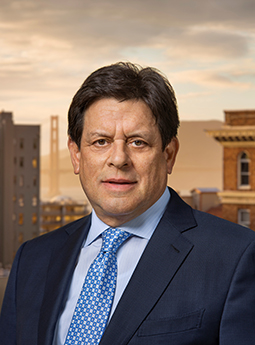
Dan McGue is a San Francisco-based Coldwell Banker Commercial broker.