

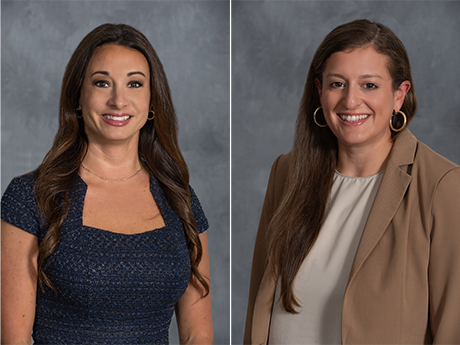
By Crystal Jackson and Aryne Bailey
In conventional multifamily, it’s easy to assume that competition is driven by what residents can see: upgraded finishes, new amenity packages or the latest design trends. While those elements still play a role in attracting residents, they are no longer the primary drivers of long-term satisfaction.
What matters most today is far less visible — and far more difficult to execute consistently.
Communication, safety and cleanliness have emerged as the defining factors of the resident experience. These are not new concepts, but resident expectations around them have shifted significantly in recent years. What was once considered “good service” is now viewed as the baseline.
For operators, that shift has important implications.
The Rise of Operational Expectations
Over the past three to five years, residents have come to expect faster responses, greater transparency, stronger security measures and consistently high standards across every touchpoint of their living experience. In many ways, these expectations have been shaped by industries outside of multifamily — hospitality, retail and technology — where convenience and responsiveness are the norm.
As a result, multifamily operators are no longer being compared solely to their direct competitors. They are being compared to the best service experiences residents encounter in their daily lives.
This has elevated the importance of operations from a supporting function to a central driver of performance.
Communication as a Trust-Building Tool
At its core, strong communication is about more than responsiveness. It is about trust.
Residents want to feel informed, not reactive. They expect clear, timely updates about everything from maintenance timelines to community policies and upcoming disruptions. When communication is proactive and consistent, it reduces uncertainty and builds confidence in the management team.
Just as importantly, it improves operational efficiency. Anticipating resident needs — whether through advance notice of maintenance projects, weather-related updates or renewal communications — can significantly reduce inbound questions and prevent small issues from escalating.
Effective communication, then, is not just a customer service function. It is a strategic tool that supports both resident satisfaction and team performance.
Safety as Both Reality and Perception
Safety has always been a priority in multifamily, but the way residents evaluate it has evolved.
Today, safety is assessed not only by the presence of security measures, but by how those measures are communicated and maintained. Well-lit spaces, secure access points and visible attention to detail all contribute to a sense of confidence within a community.
Equally important is preparedness. Residents expect clear guidance and communication during unexpected events, whether related to weather, maintenance issues or broader emergencies. When operators provide timely, transparent updates, they reduce anxiety and reinforce a sense of control.
In this way, safety is both a physical standard and a communication strategy. The two are increasingly inseparable.
Cleanliness as a Visible Indicator of Standards
Cleanliness is often one of the most immediate and tangible indicators of how a community is managed.
Common areas, amenities, and grounds that are consistently maintained signal professionalism and care. Conversely, even minor lapses can quickly shape negative perceptions. Residents may not always articulate cleanliness as a primary concern, but they notice it, and it influences how they feel about where they live.
In recent years, expectations in this area have risen significantly. Many residents now expect a level of consistency that mirrors hospitality environments, particularly in shared spaces and high-traffic areas.
For operators, this requires more than routine cleaning schedules. It demands ongoing attention, regular inspections, and clear accountability across teams.
Consistency Across a Portfolio
One of the most persistent challenges in multifamily is delivering a consistent experience across multiple properties, markets and teams.
Achieving that consistency requires structure. Standardized processes, clearly defined expectations and ongoing training are essential to ensuring that communication, safety and cleanliness are executed at a high level across an entire portfolio.
Equally important is feedback. Resident surveys, online reviews and direct engagement provide valuable insight into what is working and where improvements are needed. When that feedback is reviewed systematically — both at the property level and across the organization — it becomes a powerful tool for continual improvement.
However, consistency does not mean rigidity. Local teams must retain the flexibility to respond to the unique needs of their communities, while still operating within a shared framework of standards and expectations.
The Role of Culture and Accountability
Operational excellence is ultimately driven by people.
Processes and technology can support consistency, but they cannot replace the role of engaged, accountable teams. A culture that emphasizes service and professionalism is critical to sustaining high standards over time.
Training plays a central role in this effort. Effective onboarding, ongoing coaching and leadership development help ensure that team members understand not only what is expected, but why it matters. When employees are encouraged to approach their roles with empathy and ownership, the quality of the resident experience improves.
Accountability is equally important. Clear expectations, regular performance evaluations and visible leadership involvement reinforce the importance of maintaining high standards across every aspect of operations.
The Connection to Performance
While communication, safety and cleanliness are often discussed in terms of resident experience, their impact extends directly to asset performance.
Communities that perform well in these areas tend to see stronger resident satisfaction, higher renewal rates and more positive online reputations. In a competitive leasing environment, those outcomes translate into more stable occupancy and reduced turnover costs.
Perhaps more importantly, they create a sense of community. Residents who feel informed, secure, and proud of where they live are more likely to form lasting connections to both the property and to the people who manage it.
Looking Ahead
As the multifamily industry continues to evolve, the definition of value is expanding.
Physical product will always matter, but it is no longer enough on its own. The resident experience — shaped daily by communication, safety and cleanliness — has become a primary differentiator.
For operators, the challenge is not simply recognizing this shift but operationalizing it. That means investing in systems, training and leadership structures that support consistency at scale, while maintaining a focus on the individual resident experience.
The fundamentals have not changed. But the expectations around them have. In today’s environment, consistently meeting those expectations is what sets high-performing communities apart. At The Dinerstein Cos., resident satisfaction is one of the most important measures of success.
Aryne Bailey and Crystal Jackson are co-presidents of TDC Management, a division of Houston-based The Dinerstein Cos.