

By Chelsea Andrews
Across the country, demand for affordable housing continues to rise, placing increased pressure on housing authorities to provide shelter and resources for our most vulnerable neighbors.
Taxpayers want transparency when it comes to how their dollars are being used in the community. Private partners seek evidence of momentum, clear direction and follow-through. Government stakeholders require clarity and accountability when allocating local, county and federal funds leveraged for housing. Across all audiences, there is a shared need for a clear understanding of what’s working and where gaps remain.
In this environment, technology that creates transparency is a powerful tool. It brings people into the process, strengthens confidence in public institutions and turns complex housing initiatives into a story that communities can follow.
The Housing Opportunities Commission (HOC) of Montgomery County, Maryland, the county’s public housing authority and housing finance agency, is demonstrating how public-facing performance dashboards can fuel this kind of transparency. HOC is committed to building trust at a time when accountability in public-private partnerships is under heightened scrutiny.
With rapid population growth driving increased demand for affordable housing, HOC is sharing its progress on key real estate development and other efforts through an online dashboard open to the entire community.
Leveraging Technology for Transparency
Adopted in June 2024, HOC’s five-year strategic plan puts forth a new vision and mission statement, core values and several initiatives designed to increase affordable housing and deliver services that provide our residents with access to healthcare, education and career opportunities.
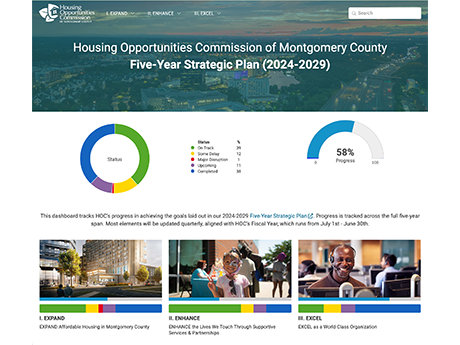
The public dashboard was created with Envisio, a cloud-based strategic planning software designed primarily for local governments, public sector organizations and nonprofits. It measures our efforts, currently showing that HOC is 58 percent of the way to its five-year goals (2024-2029).
In the competitive landscape of affordable housing development, transparency is a strategic imperative that directly affects a public agency’s ability to attract and retain quality private partners. For housing agencies that engage with the private sector through financing models and development partnerships, one persistent concern emerges: Are public agencies getting the most value from taxpayer dollars? Are they staying true to their commitment to affordable housing?
By making performance metrics publicly available, agencies can address questions like these head-on and demonstrate to developers and capital partners that they operate with clear accountability standards and deliver measurable results.
This transparency is a competitive advantage when courting private investment. Developers can easily review the agency’s track record of project delivery, financial stewardship and community impact. Opening the books builds confidence that the agency manages public resources with the same rigor as the private sector.
The public dashboard has also had an internal transformative impact on the agency. Staff across divisions use a shared source of facts and figures to understand priorities and track cross-functional progress. With the dashboard as a hub, team members can quickly access data, connect their work to larger goals and stay aligned with colleagues. Monthly reporting creates a productive rhythm that keeps strategy front and center.
Clicking through the dashboard gives users up-to-date feedback on what activities have been completed, milestones met and areas that need attention. Regular updates inform progress meters and statistics that provide an honest picture of advancement toward the team’s shared goals.
Advice to Housing Agencies
When implementing a similar transparency initiative, consider the following outcomes that emerged for HOC:
Internal alignment is often the quiet engine of real progress. Dashboards enhance public confidence, but they also empower teams by giving them a centralized data source and a consistent reporting rhythm that keeps organizational goals in focus.
Data discipline reveals operational gaps. Deciding what metrics to track — and how often — can expose inefficiencies or disconnects between departments. Although sometimes uncomfortable, this process drives improvement and gets easier over time.
Transparency attracts partnerships. Developers and capital partners can assess an agency’s track record before committing resources. Published metrics signal sophistication and reduce perceived risk in public-private ventures.
Resident services extend beyond housing. Partnerships focused on arts, STEM and volunteer engagement can be tracked alongside production metrics, demonstrating holistic community impact.
A public dashboard for a strategic plan serves as a continuous audit, allowing government leaders to verify that investments yield results, giving taxpayers visibility into how their dollars create affordable housing, and enable community members to track whether commitments made in low- and moderate-income neighborhoods are being met.
When residents can see real-time data on homes created, families served and partnerships activated, abstract policy commitments become tangible evidence of impact.
The affordable housing crisis demands innovation in both development models and accountability structures. As housing agencies operate entrepreneurially, transparency becomes both a competitive advantage and a responsibility.
Public dashboards represent one mechanism for meeting this challenge. By providing visibility into project pipelines, affordability commitments and community partnerships, these tools strengthen stakeholder confidence while driving internal operational discipline.
Chelsea Andrews is president and executive director of the Housing Opportunities Commission of Montgomery County.
The Housing Production Fund In Action
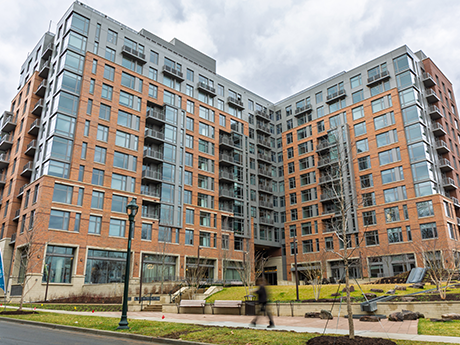
Since 2021, the Housing Opportunities Commission (HOC) has expanded affordable housing through the Housing Production Fund (HPF), a public-private partnership between the HOC and Montgomery County. The county provides funding for the HPF through municipal bond issuance, which HOC uses to finance new construction. In exchange, HOC reserves up to 30 percent of the HPF-financed units for residents earning as little as 50 percent of area median income (AMI).
Key outcomes of this funding:
- 268 units completed, with 2,000-plus in the development pipeline
- $54 million in public funds, leveraging $2 billion in total investment
- 6,000 homes projected over 20 years
- 30 percent of HPF-funded housing is rent restricted
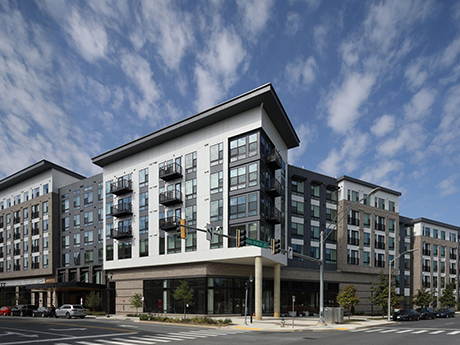
Among all HPF-funded housing, 20 percent is reserved for renters earning at or below 50 percent of AMI, and 10 percent is affordable to tenants earning at or below “moderately priced dwelling unit incomes,” which is defined as salaries capped at 65 to 70 percent of AMI. The remaining 70 percent of units are rented at market rates to help subsidize the affordable units.
HOC completed its first HPF-funded project, The Laureate, in June 2023, and broke ground on a second HPF project, The Radia and The Lumina at Hillandale Gateway, just over a year later.
Similar models are gaining traction across the country. In Atlanta, a housing production fund, launched in partnership with Atlanta Housing, provides revolving financing to support affordable housing development.
In Chicago, the Green Social Housing Revolving Fund offers low-cost loans to developers in exchange for long-term affordability and public or nonprofit ownership stakes in the completed buildings.
Colorado dedicates 0.1 percent of state income tax revenue to a statewide affordable housing fund, which finances loans, equity investments and land acquisition to support development.
Beyond Bricks and Mortar: Strategic Partnerships
HOC’s five-year strategic plan opened the door to a wave of new collaborations, nearly 20 in all, each designed to deepen resident services and extend impact far beyond construction projects. These partnerships bring new resources, new expertise and new opportunities directly into the communities HOC serves.
Notable collaborations include working with Arts for the Aging to bring creative programming to residents and partnering with NASA on STEM education initiatives to inspire future leaders.
Our HOC Volunteer Corps shows how strategic partnerships can augment agency capacity, with dashboard data showing steady growth in volunteer engagement that supports resident programming.
Partnerships are also reshaping homeownership pathways. A three-way collaboration among HOC, Habitat for Humanity Metro Maryland and the Montgomery County Department of Housing and Community Affairs has created affordable homeownership opportunities for 20 families through the reuse of scattered-site properties, turning underutilized assets into long-term stability and wealth-building opportunities for low- and moderate-income households.
— Chelsea Andrews