

By Christine Faverio

When it comes to adaptive reuse, the opportunities to preserve cultural heritage, promote sustainability and provide affordable housing are undeniable. But while these projects are immensely rewarding, they also come with complex regulatory, financial and design challenges.
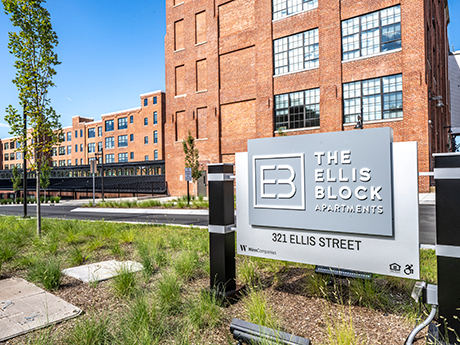
In the Northeast, projects such as the Ellis Block Apartments in New Britain, Connecticut, designed by JCJ Architecture, reveal several key strategies that can help developers and design teams successfully navigate adaptive reuse.
Recognize Buildings with Adaptive Reuse Potential
Identifying the right candidate building is the first step. Recognizing the intrinsic value of a property requires imagination when considering buildings that have been in considerable disrepair for decades.
Historic character and unique architectural features contribute to the authentic feeling of a property. At Ellis Block, details like brickwork, exposed timber, distressed wood and industrial windows tell the story of the property — features that are difficult to replicate in new construction.
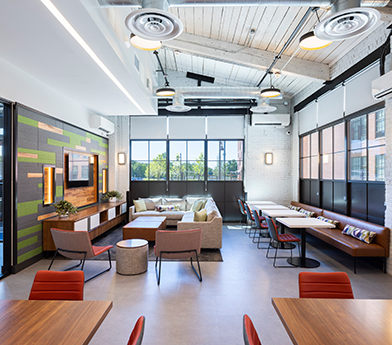
Examining the building’s physical structure is also essential. Utilizing the existing framework allows the skeleton of the building to remain intact and avoids the costs of new foundations or major structural work. Confirming the load-bearing capacity ensures the building can support intended uses and any additional construction. At Ellis Block, for example, the existing structure was evaluated to support gypcrete (gypsum concrete) added to floor slabs.
Other factors to consider include column spacing, which should allow for a flexible floor plan that meets market demand for a specific use. Floor-to-floor heights will impact the ability to achieve desired interior ceiling heights while allowing modern HVAC and plumbing systems to travel throughout the building freely and efficiently.
Lastly, choosing existing buildings that do not require excessive remediation and cost to achieve compliance with the Americans with Disabilities Act (ADA) is preferred.
Build Collaborative Partnerships Early
Adaptive reuse projects rely on strong collaboration between developers, design teams and regulatory agencies. A willingness to compromise is critical, as regulatory and financial considerations often require pivoting and creative problem solving. Early engagement with all stakeholders ensures smoother navigation of approvals and reduces the likelihood of costly delays.
In many Northeast projects, working with state and local preservation agencies is a must. At Ellis Block, the team collaborated closely with the Connecticut State Historic Preservation Office (SHPO) and the National Park Service (NPS) to meet restoration criteria.
Being aware of where concessions might be possible, such as waiving repainting requirements for interior timber surfaces, allowed the design team to preserve character-defining features while complying with regulations.
Anticipate Regulatory, Code and Zoning Challenges
Adaptive reuse in the Northeast often involves navigating outdated zoning and code requirements. Early analysis of building codes, zoning and potential regulatory hurdles is crucial. For example, buildings may need a change-of-use approval. At Ellis Block, the property was originally zoned for industrial use, which required amendments to permit residential conversion.
The “use” defined by the code will also determine the maximum allowed distance from light and natural ventilation of that space. The depth of the building floorplate at Ellis Street was compatible with residential use; however, the developer had to make concessions to allow the second bedroom to use borrowed light. Working within the existing building envelope, early egress diagrams should be generated to confirm acceptable travel distances and avoid dead-end conditions.
Additionally, the exterior façade cannot be significantly altered; therefore, studying the location and spacing of existing windows in relation to the desired use will confirm if an adequate perimeter for light and natural ventilation is achievable.
New windows and doors should respect the rhythm and proportions of the original openings while meeting modern performance requirements. Because residential conversions require operable windows, selecting a manufacturer that balances aesthetics, quality, thermal performance and cost can be challenging. The goal is to match original profiles and dimensions as closely as possible to maintain the building’s architectural integrity.
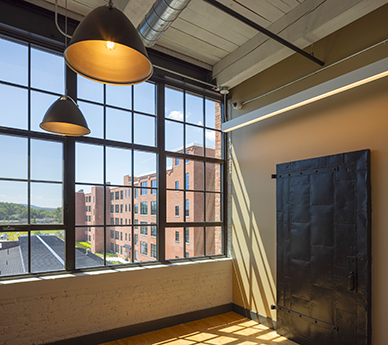
Maintaining the historic character of a building while delivering high-quality housing and energy efficiency is central to adaptive reuse. This begins with being genuine to the story of the property —uncovering and expressing its original details and repurposing materials or objects in ways that support that narrative.
Mechanical, electrical and plumbing systems should be introduced as non-invasive elements that keep existing building components intact. Likewise, any modern additions should remain compatible in scale, material and massing to ensure that new interventions enhance rather than overpower the historic fabric.
Overall, adaptive reuse in the Northeast offers a unique opportunity to transform underutilized historic buildings into sustainable, vibrant communities. By recognizing candidate properties, fostering collaborative partnerships, anticipating regulatory and financial hurdles and maintaining historical integrity, teams can deliver successful projects that meet both modern standards and community needs.
Projects like the Ellis Block Apartments illustrate how thoughtful strategy, early planning and creative problem solving can turn aged structures into lasting assets for residents and neighborhoods.
Christine Faverio, RA, is associate principal and New York studio leader at Hartford, Connecticut-based JCJ Architecture.