


By Rajiv Ramakrishnan
Veterans are not a one-size-fits-all population. Some are transitioning back to civilian life after active service, while others are aging in place or living with physical injuries, PTSD or other invisible challenges. While affordability and accessibility remain essential, successful veteran housing must also support how residents experience their environment every day.
Architecture does more than provide shelter. Thoughtful design can support independence, encourage connection and create places where residents feel safe, comfortable and at home.
Beyond Affordability: Designing for Stability
Affordable housing removes one of the largest barriers to stability, but long-term success depends on more than cost alone. For veterans navigating civilian life or changing physical abilities, intuitive layouts, accessible spaces and welcoming shared amenities contribute to a more comfortable living experience. The goal is to create communities where supportive services are available when needed without defining the resident experience.
Designing for a Range of Needs
Veteran housing serves residents with diverse physical abilities and life experiences. Universal design principles create environments that are functional, flexible and comfortable for everyone.
“Veterans with housing issues most frequently have PTSD or other mental health issues that preclude them from sustaining employment,” says Edgar Rodriguez Coll, a veteran who works at FK Architecture. “Those veterans must first find relief for their ailments so they can return to a normal functioning life. Many veterans also need or will need accessibility features centering on hearing and/or vision loss, loss of mobility or limited mobility. Proximity to medical care, shopping and recreation is important.”
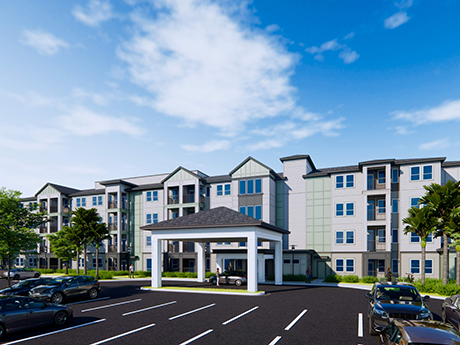
Features such as accessible entries, intuitive circulation, adaptable community spaces and clear wayfinding improve daily life for all residents while supporting long-term usability. Thoughtfully integrated, these elements become part of the architecture rather than obvious accommodations.
Creating Communities That Feel Like Home
One of the most important design considerations is ensuring veteran housing feels residential rather than institutional.
Quality materials, attractive landscaping, welcoming entrances and thoughtfully designed gathering spaces foster pride and belonging. Residents should feel they are living in a well-designed apartment community — not a facility defined by the services it provides.
Balancing Privacy with Connection
Residents have different comfort levels when it comes to social interaction. Good design accommodates both by providing a mix of gathering spaces and quieter areas for retreat.
Community rooms, outdoor seating, walking paths and flexible common spaces encourage natural interaction while allowing residents to choose how and when they engage.
Collaboration Drives Better Outcomes
Successful veteran housing begins with collaboration. Architects, developers, service providers and community organizations each bring valuable perspectives that help shape stronger communities.
When these conversations begin early, projects are better equipped to support resident needs while balancing operational goals, long-term durability and community impact.
Designing for the Future
Architecture cannot solve every challenge veterans face, but it can create environments that promote stability, dignity and belonging.
At FK Architecture, we’ve seen how thoughtful planning and resident-centered design create communities that support veterans through many stages of life. The most successful developments balance privacy with opportunities for connection, integrate supportive services without feeling institutional and provide quality housing that residents are proud to call home.
Rajiv Ramakrishnan, AIA, is a studio leader at Maitland, Florida-based FK Architecture. He can be reached at [email protected].