
The recent arrest and extradition of Venezuelan leader Nicolás Maduro has once again put political instability in Latin America back in the headlines. For many people in the U.S., it’s just another international news story. For Latin American investors, it’s a reminder of something they’ve lived with for years: Political and economic conditions can change quickly, and when they do, the impact on currency, regulation and personal wealth can be immediate.
That reality has long shaped how and where capital moves. When uncertainty rises, investors tend to look for places that feel predictable, transparent and secure. South Florida has filled that role for decades, especially when it comes to residential and multifamily real estate.
International buyers have consistently been part of Florida’s housing story. Florida routinely ranks at the top nationally for foreign home purchases, accounting for about 20 percent of all international residential transactions in the U.S. Buyers from Latin America, including Venezuela, Colombia, Argentina, Brazil, Mexico and Peru, remain among the most active. The reasons are straightforward: strong property rights, a reliable legal system, currency stability and a long track record of real estate holding its value over time.
International Investors Seek Income-Producing Multifamily Assets
What’s often overlooked is how local demographics reinforce this trend. Broward County is home to nearly 59,000 Venezuelan residents, representing about 3 percent of the county’s population and close to one-fifth of all Venezuelans living in Florida.
That level of concentration doesn’t happen by accident. It reflects long-term community roots, family connections and businesses that continue to anchor people here. In the City of Hollywood alone, roughly 3,800 Venezuelan residents now make up about 2.5 percent of the population, showing that demand clearly extends beyond Miami-Dade into surrounding coastal markets.
These same dynamics carry over into the multifamily sector. Many Latin American investors aren’t just looking for a place to park money, they want income-producing assets. South Florida checks a lot of those boxes. Population growth, ongoing job creation, tourism-driven employment and limited land availability along the coast all support demand. Even with new supply coming online in recent years, vacancy levels in many South Florida submarkets have remained relatively tight compared with national averages.
Another shift I see regularly is how much lifestyle now factors into investment decisions. Today’s investors look beyond spreadsheets. They ask whether a market is walkable, whether it has access to the water, how easy it is to get around, and whether the neighborhood has a real sense of place. That’s one reason interest has expanded beyond Miami’s urban core into cities like Hollywood, Hallandale Beach, Fort Lauderdale and West Palm Beach.
Hollywood is a good example of how this is playing out. Located between Miami and Fort Lauderdale, the city benefits from proximity to two international airports, regional rail access and continued public and private investment in both downtown and the beachfront. Pricing also remains more accessible than in Miami or Miami Beach, while still offering strong connectivity and lifestyle appeal.
Renter Demand is High for Lifestyle-Driven Communities
Recent projects highlight that momentum. At my own condominium residential development, One Hollywood Residences, more than half of the buyers are foreign investors, a clear signal of how strongly international capital continues to gravitate toward well-located, lifestyle-driven developments in the city. Other projects such as University Station, Soleste Living and the historic Bread Building reflect growing confidence in Hollywood.
For many Latin American investors, boutique and mid-scale residential properties are especially attractive. These assets tend to be easier to manage, supported by steady rental demand and aligned with long-term strategies focused on preservation rather than speculation. That’s why interest continues across a range of residential formats, from traditional multifamily to condominium-style developments designed for extended ownership or flexible rental use.
Of course, the market isn’t without challenges. Construction costs, insurance premiums and financing conditions have all become more complex. Higher interest rates have slowed some transactions. Still, confidence in South Florida’s long-term fundamentals has helped support continued development in submarkets with population growth, infrastructure investment and diverse employment bases.
Events like political uncertainty in Venezuela don’t create South Florida’s appeal, they reinforce it. The region has earned its reputation as a stable gateway market over time. What changes during periods of uncertainty is how quickly investors act on that perception.
For those of us involved in development, ownership and operations, that continued interest brings opportunity but also responsibility. Long-term success depends on thoughtful planning, quality construction and respect for the communities where we build, so South Florida continues to feel like a market investors can trust.
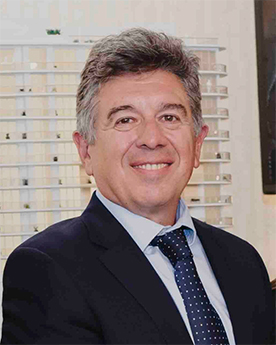
Alejandro Ensinck is managing director of Star Developers Group and the lead behind One Hollywood Residences in Hollywood, Florida.