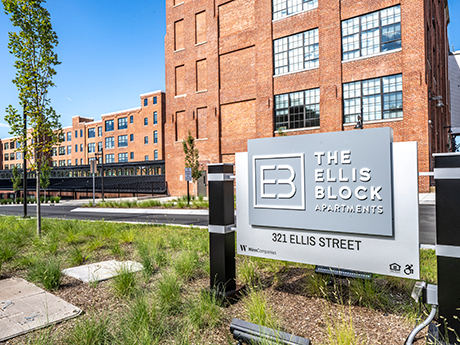

By Christine Faverio When it comes to adaptive reuse, the opportunities to preserve cultural heritage, promote sustainability and provide affordable housing are undeniable. But while these projects are immensely rewarding, they also come with complex regulatory, financial and design challenges. In the Northeast, projects such as the Ellis Block Apartments in New Britain, Connecticut, designed by JCJ Architecture, reveal several key strategies that can help developers and design teams successfully navigate adaptive reuse. Recognize Buildings with Adaptive Reuse Potential Identifying the right candidate building is the first step. Recognizing the …
Sustainable/LEED
Designing for Low-Carbon, High-Density Living — Lessons for Sustainable Multifamily Development
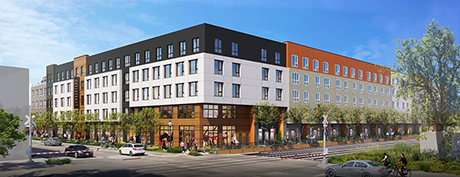
Developers today are under mounting pressure to meet energy codes, achieve carbon reduction goals and deliver housing that is healthy, comfortable and affordable. Whether market-rate or affordable housing, the reality is that people want homes that are not only well-designed but also economical to operate. That’s why attention to energy efficiency and utility costs has become such a critical factor in leasing and retention. In some cases, this pressure has even pushed developers toward more ambitious approaches such as Passive House strategies or other high-performance design measures. At the same …
How Pocket Communities Can Meet Urban Redevelopment Needs, Create Public-Private Partnership Opportunities
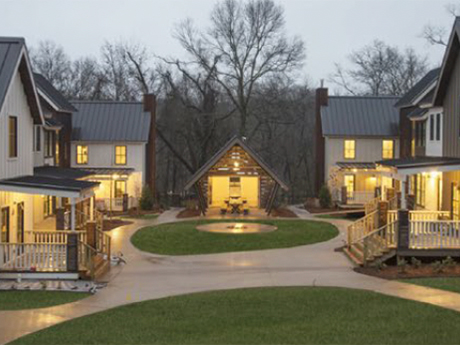
By Miles AlexanderAlexander Goshen Traditional, large-scale urban developments have failed to create vibrant, sustainable neighborhoods. Pocket communities represent a transformative approach that addresses those fundamental shortcomings through innovative public-private partnerships and financing mechanisms. Small-scale developments of eight to 12 homes clustered around shared common spaces are experiencing significant growth as municipalities, developers and investors recognize their superior capacity to foster community connection, financial viability and environmental sustainability. What Are Pocket Communities? Pocket neighborhoods are clustered groups of smaller residences gathered around a shared open space, such as a garden courtyard, …
Texas Multifamily HVAC Trends: Why Developers Prefer All-Electric, All-Climate Heat Pumps
By Randall Towb of Mitsubishi Electric Trane HVAC US (METUS) Texas multifamily owners and developers are utilizing all-climate variable capacity heat pumps and variable refrigerant flow (VRF) systems for heating and air-conditioning (HVAC) needs in their low-rise, mid-rise and high-rise buildings. These systems deliver on both resident satisfaction and building owners’ return on investment (ROI) thanks to key benefits such as energy performance, zoned comfort, design flexibility, quiet operation, reduced maintenance and advanced controls and monitoring. In addition to resident comfort and ROI, these all-electric systems align with growing concerns …